
Mountain Pine Beetle Is Increasing Along Colorado’s Front Range. Here’s What Property Owners Need to Know.
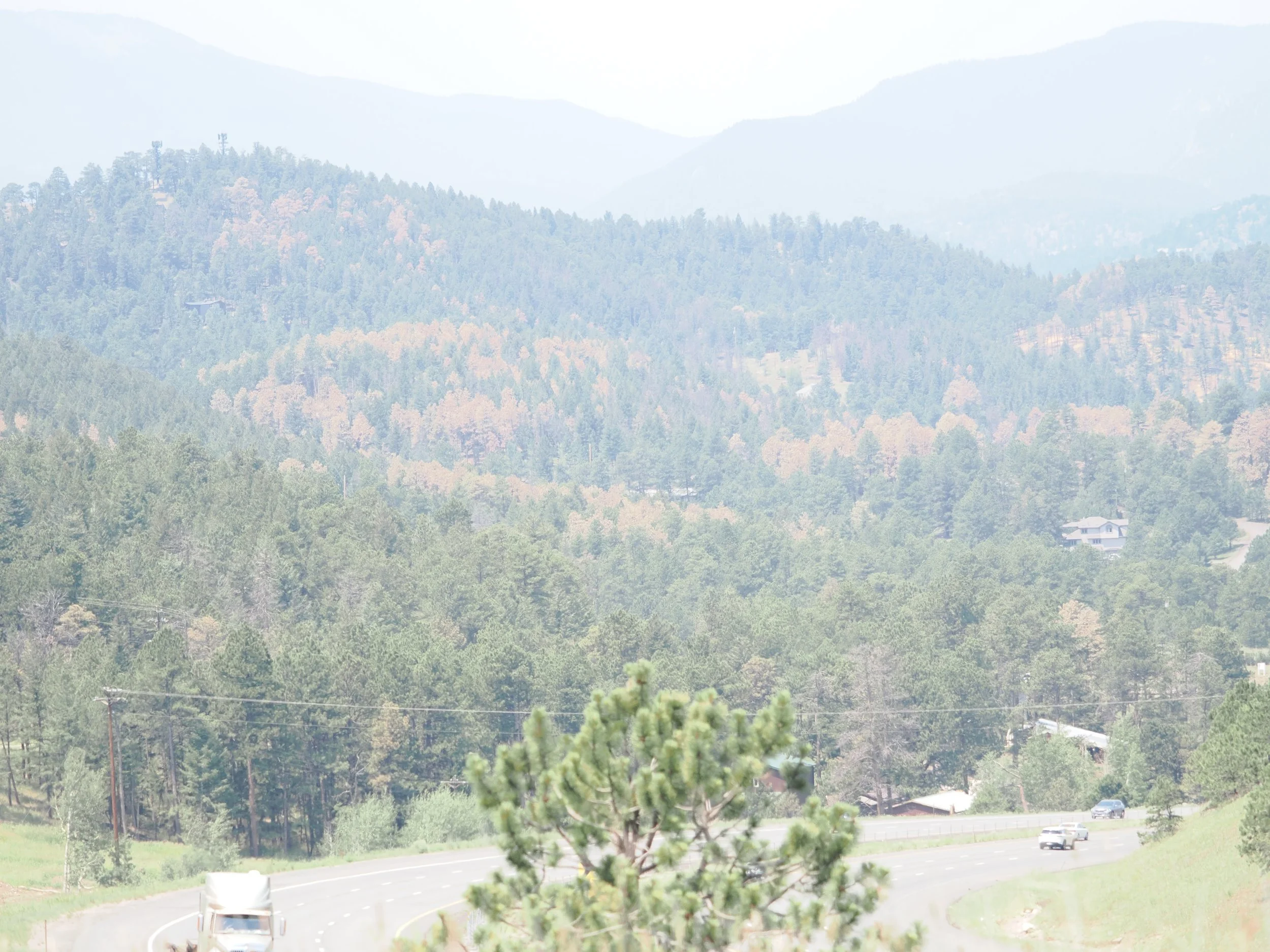
Mountain pine beetle activity increased sharply across Colorado’s Front Range in 2025. Fall, winter and spring are important months to identify infested trees and take action before the next beetle flight.
If you own property with ponderosa, lodgepole or limber pine along Colorado’s Front Range, now is the time to start looking closely at your trees.
Mountain pine beetle is once again expanding in Colorado’s pine forests.
According to the Colorado State Forest Service, aerial surveys detected mountain pine beetle impacts across 5,544 acres of pine forest in a nine-county Front Range area in 2025, compared with 2,236 acres in the same area in 2024.
That represents a 148% increase in affected acreage in just one year.
Why Fall and Winter Matter
Mountain pine beetles spend much of their life cycle hidden underneath the bark.
Adults generally emerge during the summer and fly to new host trees. After successfully attacking a tree, they lay eggs beneath the bark. Larvae then develop underneath the bark through fall, winter and spring before a new generation eventually emerges.
That creates an important window for property owners.
After the summer flight has ended and before the following year’s beetles emerge, infested trees can be identified and properly managed.
Colorado State Forest Service guidance recommends inspecting pine trees in the fall and removing confirmed infested trees by the following spring, with proper treatment or disposal of the infested material.
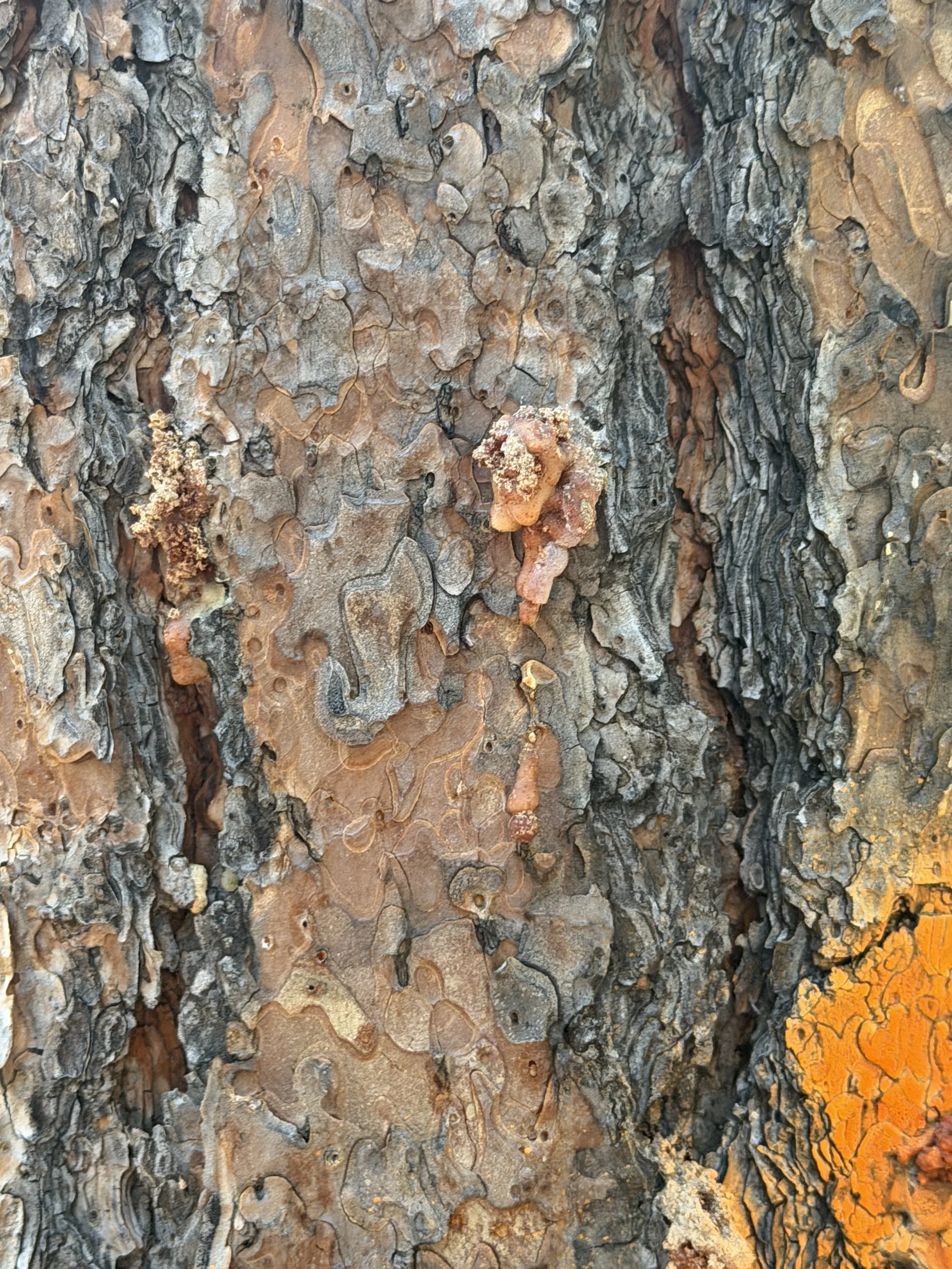
The objective is simple:
Find infested trees before the beetles inside them have an opportunity to emerge and attack additional trees.
Can an Infested Tree Be Saved?
Once mountain pine beetles have successfully infested a tree, the tree generally cannot be saved.
At that point, management shifts toward preventing the beetles developing underneath its bark from contributing to attacks on surrounding trees.
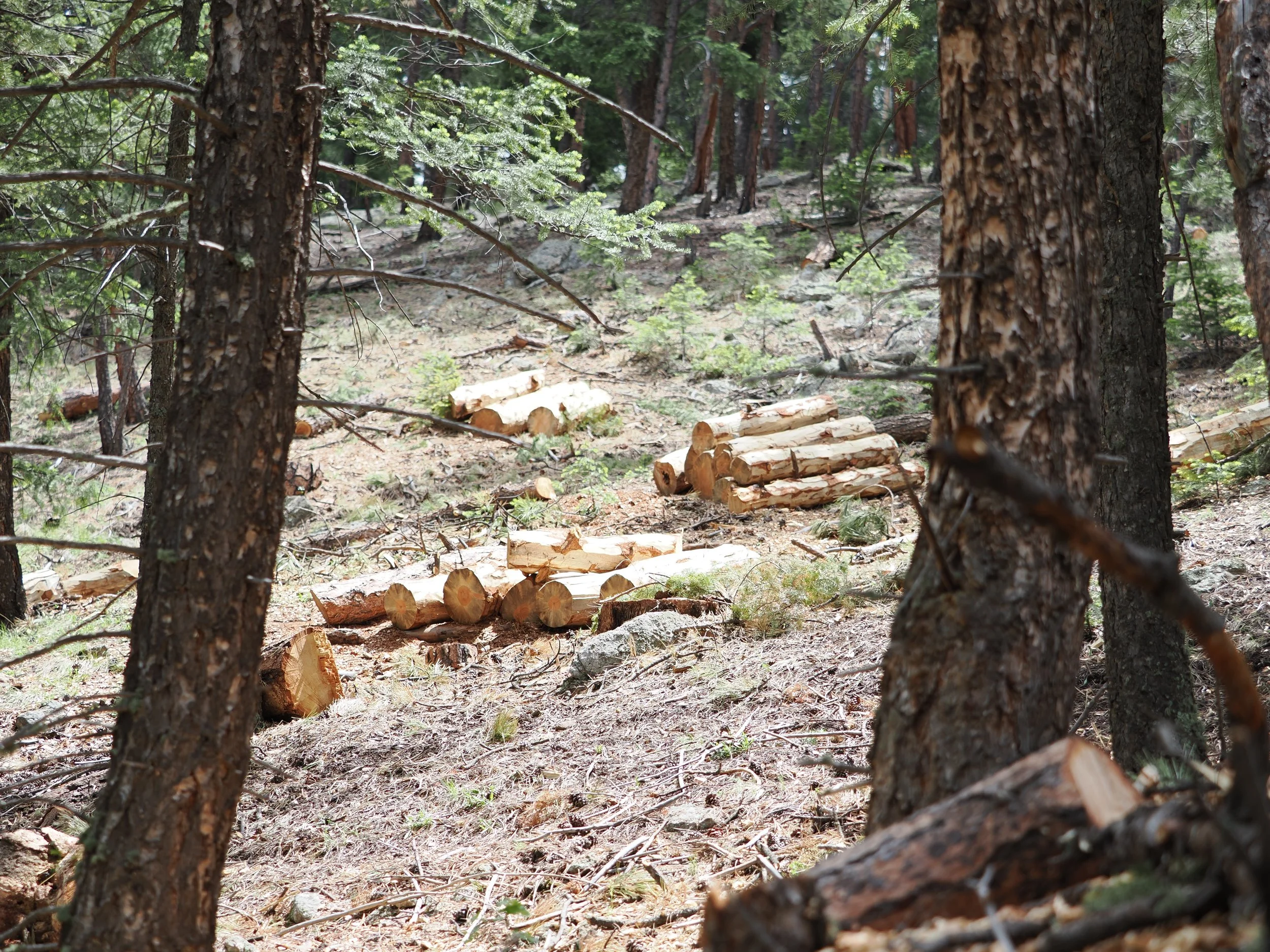
That can involve removing the infested tree and properly treating or disposing of the material before adult beetles emerge. Depending on the situation, appropriate treatment can include chipping, debarking, approved disposal or other management methods.
Simply cutting down an infested tree and leaving untreated logs on the property does not necessarily solve the problem.
And transporting untreated infested wood can potentially move beetles somewhere else.
Proper handling of the material matters.
How White Elk Forestry Can Help
White Elk Forestry works with Colorado property owners to evaluate forest conditions and develop practical management strategies for their land.
For properties where mountain pine beetle is a concern, that begins with understanding what’s actually happening on the property.
A professional property assessment can help identify:
Existing signs of mountain pine beetle activity
Trees showing evidence of current or previous infestation can be identified and evaluated.
Trees and stands that may be vulnerable
Tree species, size, density, competition and overall forest condition all help determine where management may be beneficial.
Infested trees requiring action
When active infestation is confirmed, appropriate removal and handling can be planned before the next beetle flight.
Opportunities for forest thinning
Selective thinning can reduce competition among remaining trees while improving overall forest structure and resilience.
Overlapping wildfire and forest-health concerns
Forest management can often address multiple objectives at the same time, including tree health, fuels and defensible space.
Our goal isn’t simply to remove trees.
It’s to help Colorado landowners make informed decisions about the long-term health, resilience and safety of their forests.
Don’t Wait Until the Trees Turn Red.
Mountain pine beetles spend much of their life cycle hidden beneath the bark.
By the time an entire crown turns red, the infestation may have been developing for months.
Fall, winter and spring provide an opportunity to inspect your property, identify problems and complete appropriate work before the next major summer flight period.
If you own forested property in Larimer, Boulder, Gilpin, Jefferson, Clear Creek, Teller, Park, Douglas or El Paso County, White Elk Forestry can help you determine what is happening in your trees and what—if anything—needs to be done.
Protect the forest you already have.
Schedule a Mountain Pine Beetle & Forest Health Assessment with White Elk Forestry.