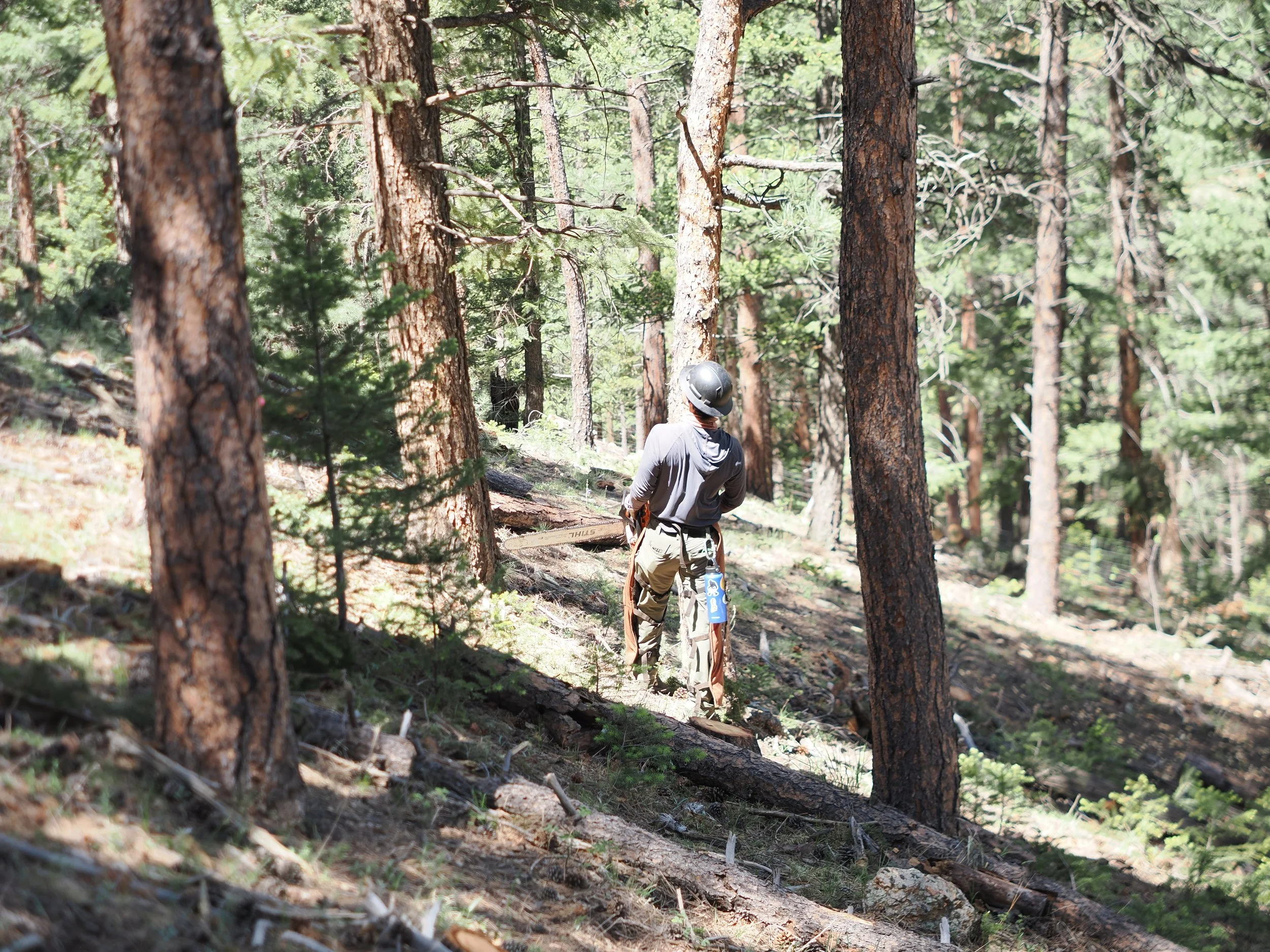
People and fire now share the same landscape
My mission is to reduce unnecessary wildfire destruction by creating defensible space, reducing crown fire potential and improving emergency access. I work for homeowners with steep, difficult-access properties and small acreages.
Services
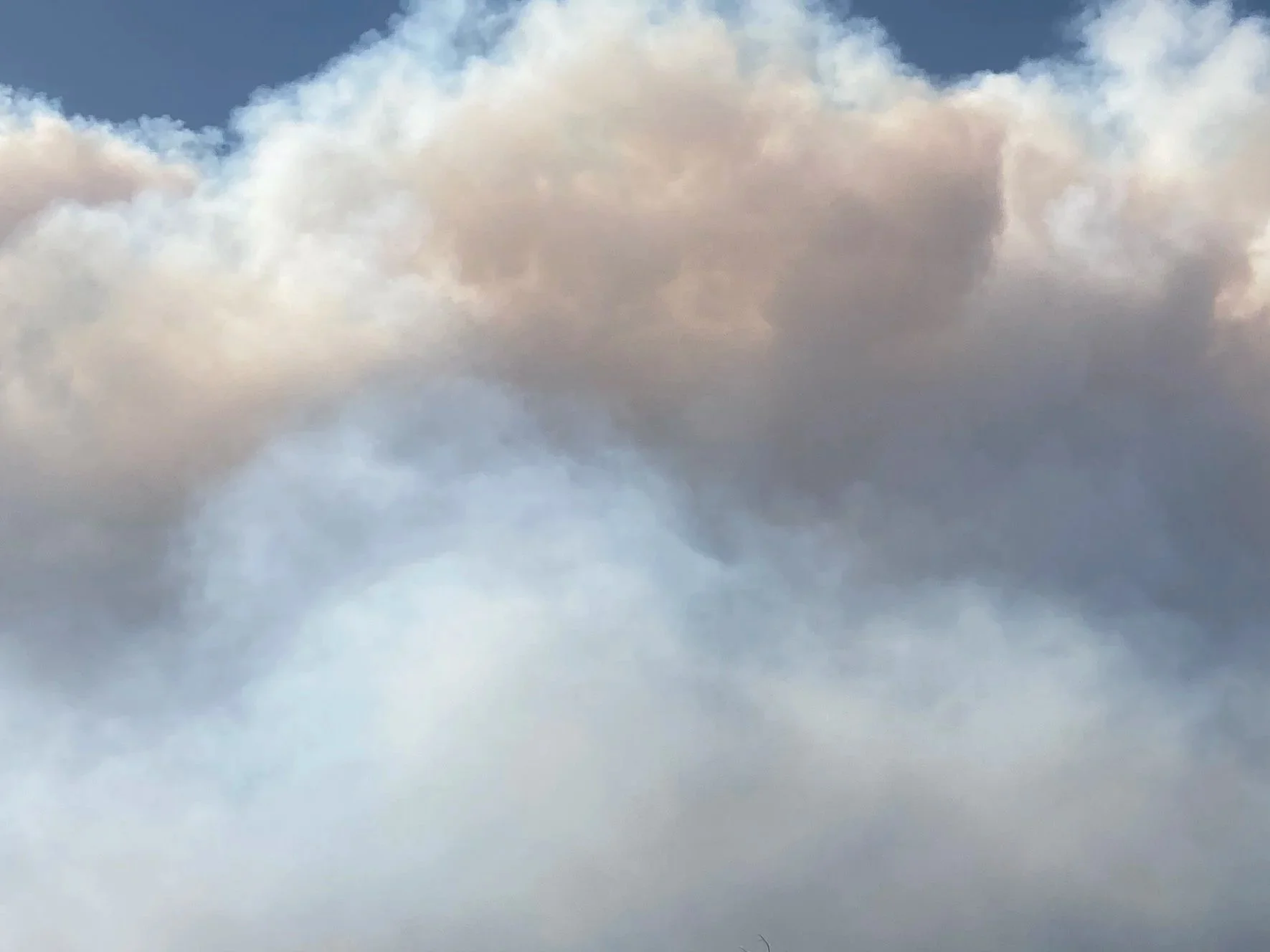
Before a Wildfire ✓ Mitigate ✓ Prepare ✓ Reduce risk
After a Wildfire ✓ Recover ✓ Restore ✓ Rebuild
-
Wildfire mitigation is about reducing the intensity of a wildfire before it ever reaches your property. Through thoughtful thinning, removal of hazardous fuels, and strategic vegetation management, I help create forests that are healthier, more resilient, and better able to withstand wildfire.
Every property is different. Rather than applying a one-size-fits-all approach, I evaluate the terrain, forest density, tree health, access, surrounding structures, and how a wildfire would likely move across the landscape. From there, I develop treatments that reduce hazardous fuels while preserving the natural character and beauty of your forest.
Typical wildfire mitigation services include:
Selective tree thinning
Ladder fuel reduction
Removal of dead, dying, or hazardous trees
Surface fuel and slash management
Defensible space improvements
Stand improvement and forest health treatments
Evacuation route and access corridor clearing
Preparation for future prescribed fire or forest restoration
My goal isn’t to clear your land—it’s to help your forest function the way it was meant to. A well-managed forest is safer for people, more resilient to insects and disease, healthier for wildlife, and better prepared to withstand future wildfire.
-
The work doesn’t end when the fire is out. Wildfire often leaves behind unstable trees, damaged infrastructure, erosion risks, and a landscape that can be overwhelming to navigate. My post-wildfire recovery services are designed to help landowners safely begin the process of rebuilding and restoring their property.
Every burned landscape responds differently. I assess fire severity, remaining hazards, access, and the long-term health of the site before developing a recovery plan tailored to your property and goals. Whether you’re preparing to rebuild, protecting your land from further damage, or simply trying to make your property safe again, I provide practical, thoughtful solutions that work with the landscape.
Post-wildfire recovery services may include:
Hazard tree assessment and removal
Removal of fire-damaged trees and woody debris
Access road, driveway, and trail clearing
Preparation for erosion control and rehabilitation efforts
Forest recovery and stand improvement treatments
Salvage logging where appropriate
Preparation for reforestation and natural regeneration
Support for rebuilding, utility access, and future land management
Recovery isn’t about making a burned forest look untouched. It’s about reducing immediate hazards, protecting the land from further damage, and helping the forest begin its next chapter. My goal is to leave every property safer, more functional, and better prepared for long-term recovery.
-
A healthy forest isn’t defined by how many trees it has. It’s defined by how well those trees can grow, adapt, and support the landscape around them for generations to come.
Many Colorado forests have become overcrowded after decades without regular fire. Trees compete for sunlight, water, and nutrients, making entire stands more vulnerable to drought, insects, disease, and severe wildfire. Over time, that competition weakens the forest and limits its ability to recover from future disturbances.
My goal is to help change that.
Through thoughtful stand improvement and forest health treatments, I selectively remove competing, unhealthy, declining, or poorly formed trees to create space for the healthiest trees to thrive. Every decision is made with the long-term condition of the forest in mind—not simply what needs to be removed today, but what the forest can become years from now.
Forest health and stand improvement services may include:
Selective tree thinning
Removal of suppressed, declining, or poorly formed trees
Stand density management
Insect and disease risk reduction
Species composition improvements
Regeneration and young stand improvement
Wildlife habitat enhancement
Long-term forest stewardship recommendations
I don’t measure success by the number of trees I remove. I measure it by the forest I leave behind. My goal is to leave every property healthier, more resilient, and better prepared to withstand drought, insects, disease, and wildfire—while preserving the natural beauty and character that make Colorado’s forests worth protecting.
-
Not every property can—or should—be worked with large forestry equipment. Steep slopes, narrow driveways, dense timber, rocky terrain, sensitive soils, existing landscaping, and limited access often require a different approach.
Low-impact difficult-access forestry is my specialty.
As an owner-operated contractor, I focus on projects where careful planning, skilled hand work, and a smaller equipment footprint provide a better solution than bringing in large machines. By relying primarily on hand felling and low-impact forestry methods, I’m able to work in places that can be challenging to access while minimizing unnecessary disturbance to the surrounding landscape.
This approach is well suited for:
Steep or rugged terrain
Properties with limited equipment access
Mountain homes and cabins
Forests where minimizing soil disturbance is important
Selective treatments around structures and infrastructure
Smaller acreage projects
Sensitive landscapes where preserving the natural character matters
Low-impact doesn’t mean less effective—it means choosing the right approach for the property. Every project is different, and my goal is always to accomplish the work while leaving behind as little disturbance as possible. Whether the objective is wildfire mitigation, post-wildfire recovery, hazard tree removal, or long-term forest health, I believe the best results come from working with the landscape instead of against it.
Sometimes the biggest machine isn’t the best tool for the job. Sometimes the right answer is experience, careful planning, and taking the time to do the work in a way that respects both the land and the people who live on it.
White Elk Forestry specializes in thoughtful, low-impact forestry solutions for Colorado’s mountain communities—helping homeowners, landowners, and agencies reduce wildfire risk, manage hazard trees, and improve forest health in steep and difficult-access landscapes.
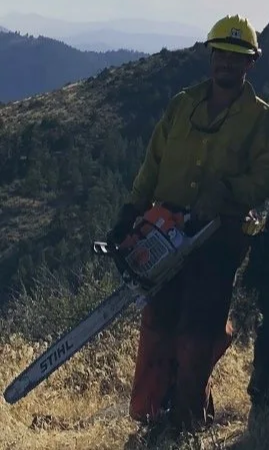
What My Work Protects
Every project serves a purpose beyond the work itself.
It might help a family keep their home safer from wildfire. It might give a forest room to recover after decades of overcrowding. It might make a road safer for evacuation, protect a watershed, improve wildlife habitat, or help a burned landscape begin its recovery.
Those outcomes are what matter to me.
Chainsaws and equipment are simply the tools I use to get there.
My goal has never been to remove the most trees. It’s to help create forests that are healthier, communities that are more resilient, and properties that people can continue to enjoy with confidence.
That’s what White Elk Forestry exists to do.
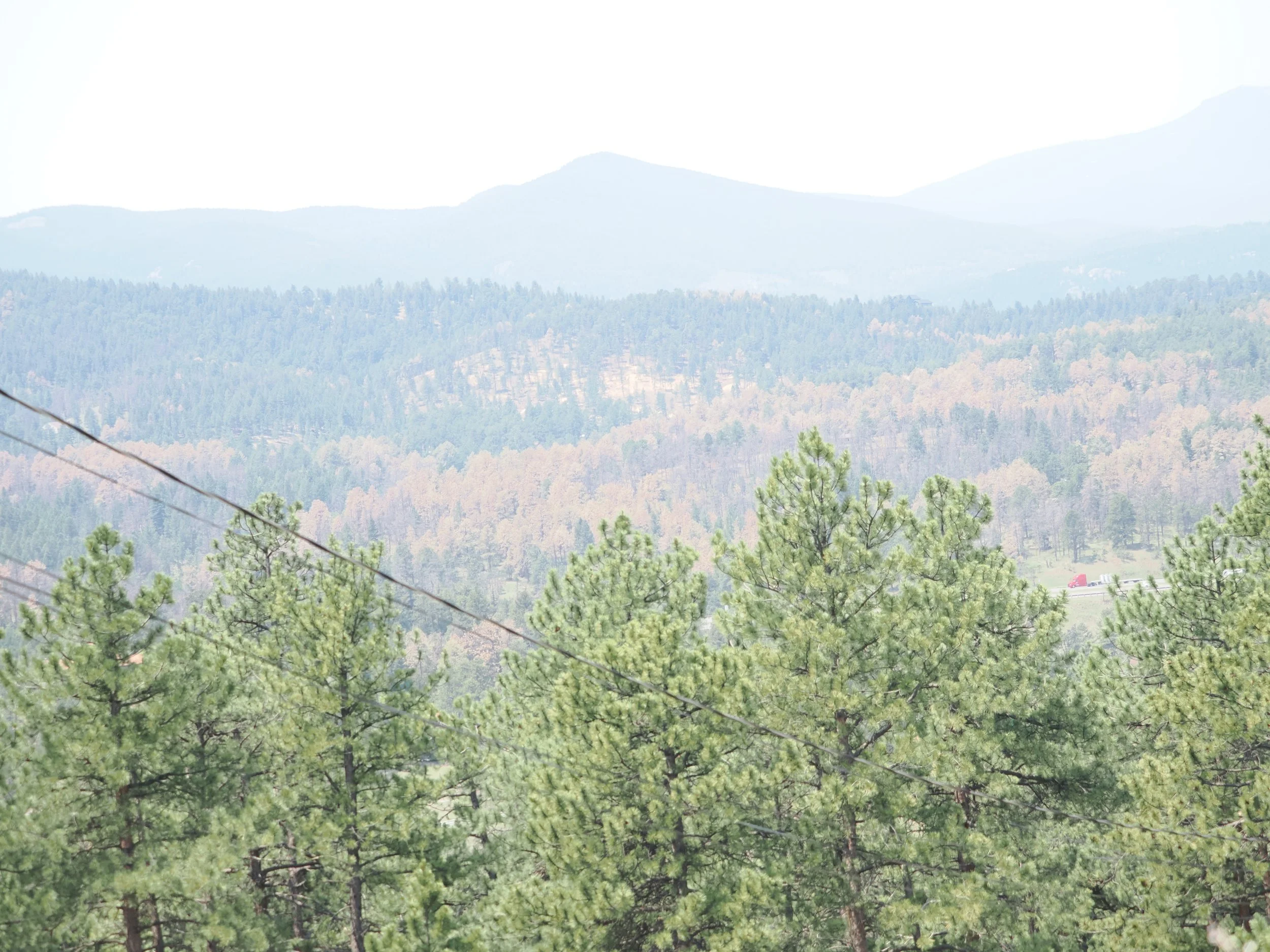
Why Choose White Elk Forestry?
✓ Owner-Operated
✓ Purpose-Driven Forestry
✓ Low-Impact Forestry Solutions
✓ Specialized in Difficult Access
✓ Healthy Forests, Not Just Tree Removal
✓ Built for Small & Mid-Sized Properties
✓ Direct Communication From Start to Finish
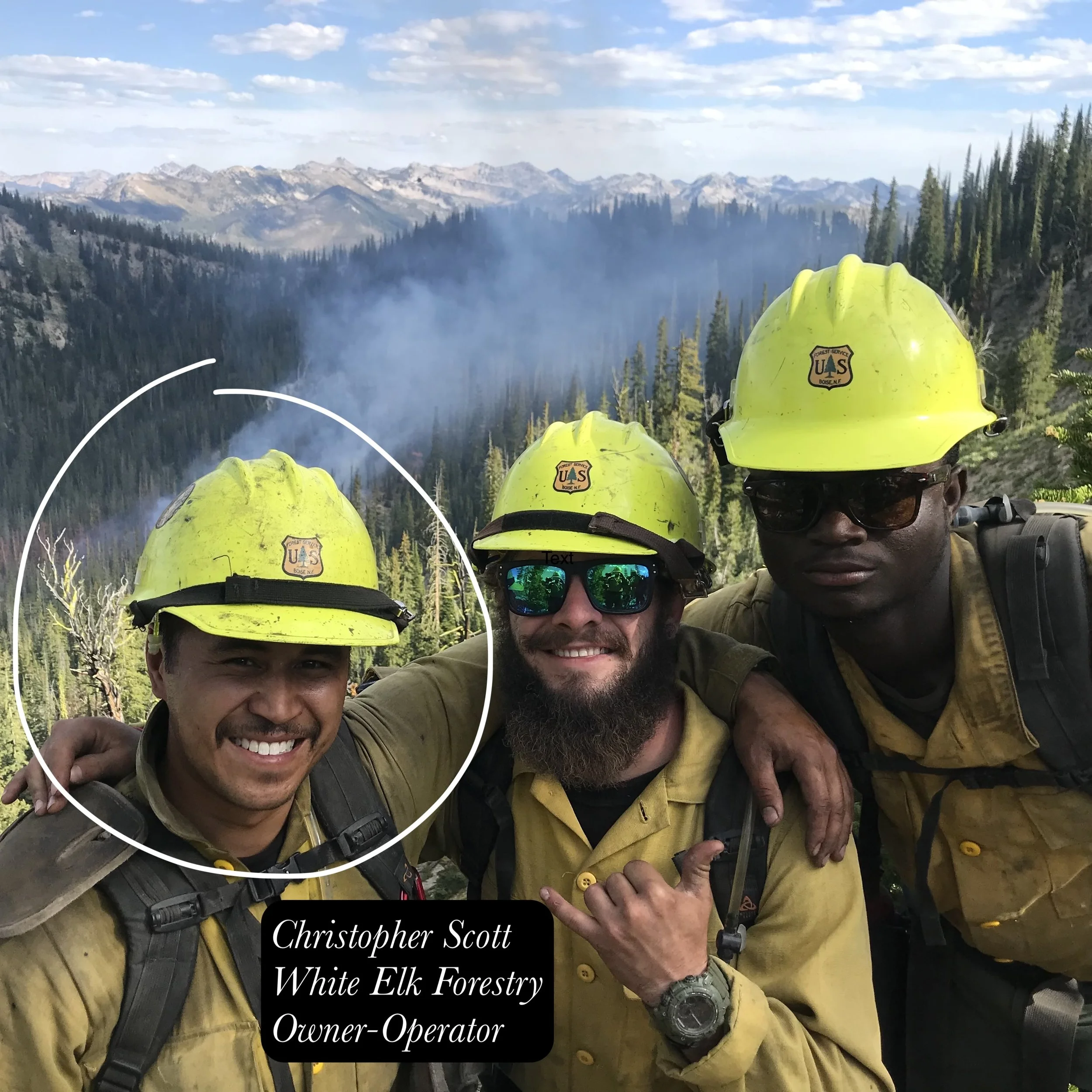
✓ Former Wildland Firefighter
✓ Fully Insured