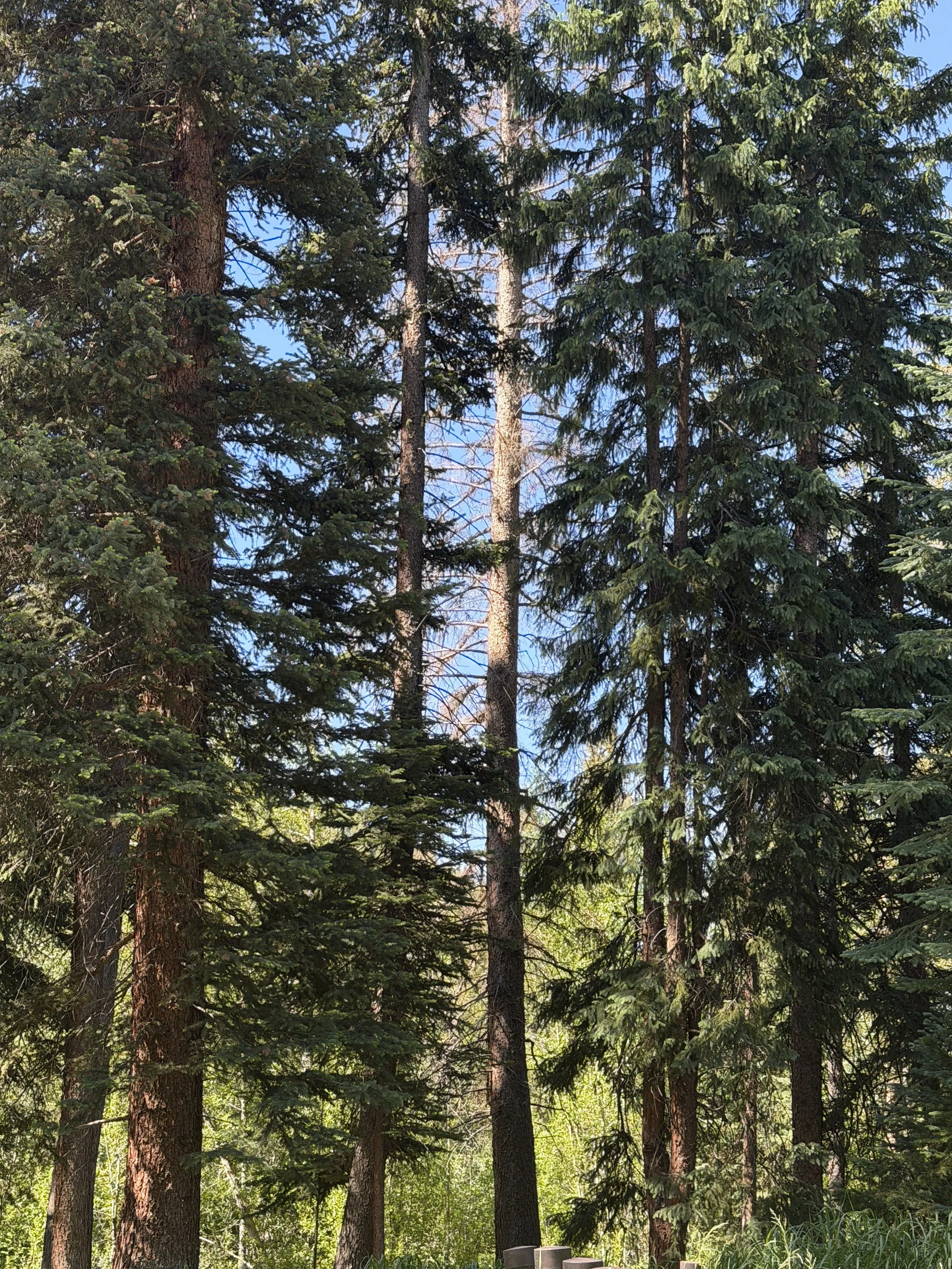
Hazard Tree Removal
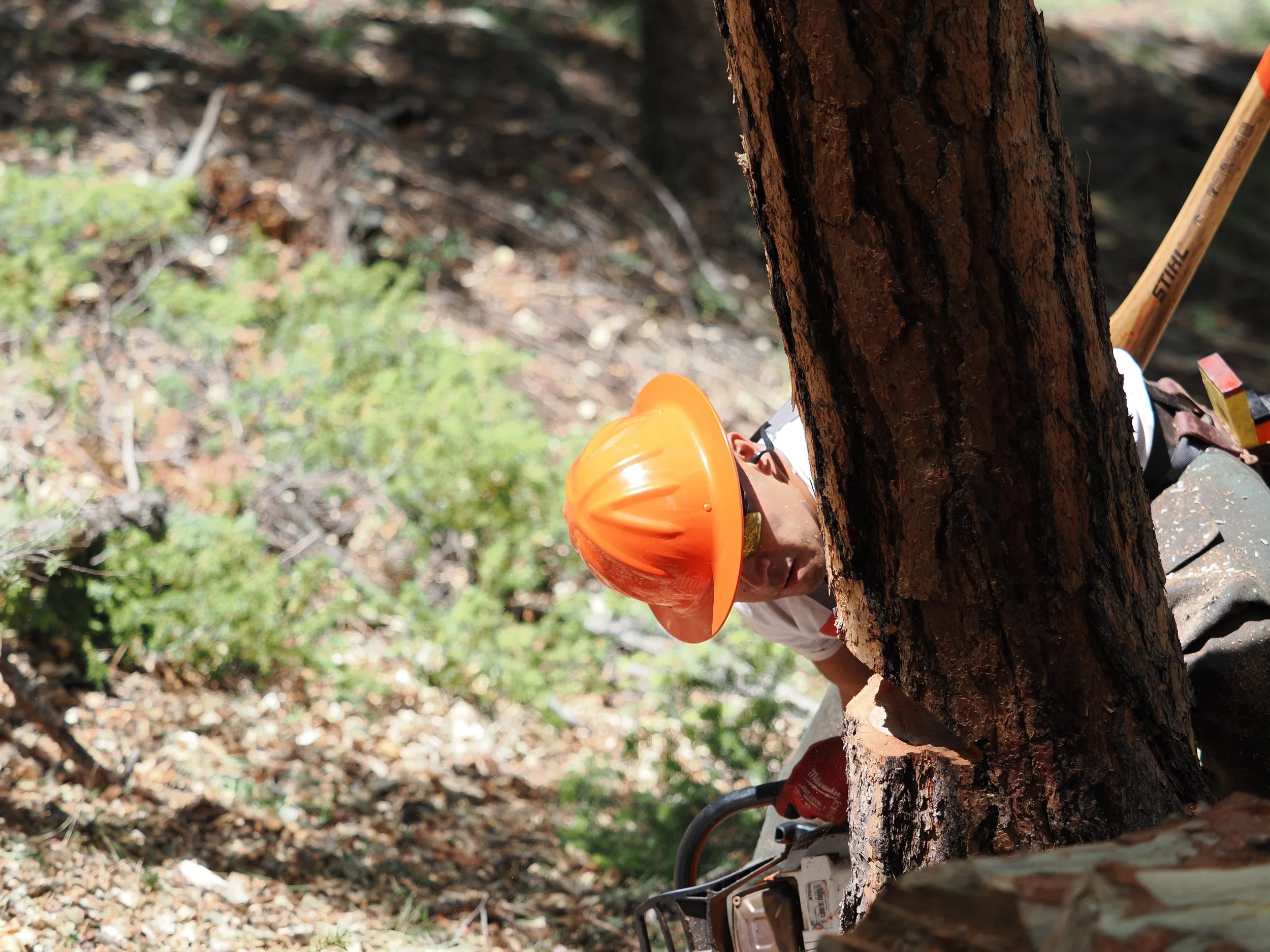
Safe removal of dead, dying, storm-damaged, and hazardous trees throughout Colorado’s mountain communities, urban, suburban and difficult-access landscapes.
When Is A Tree Considered Hazardous?
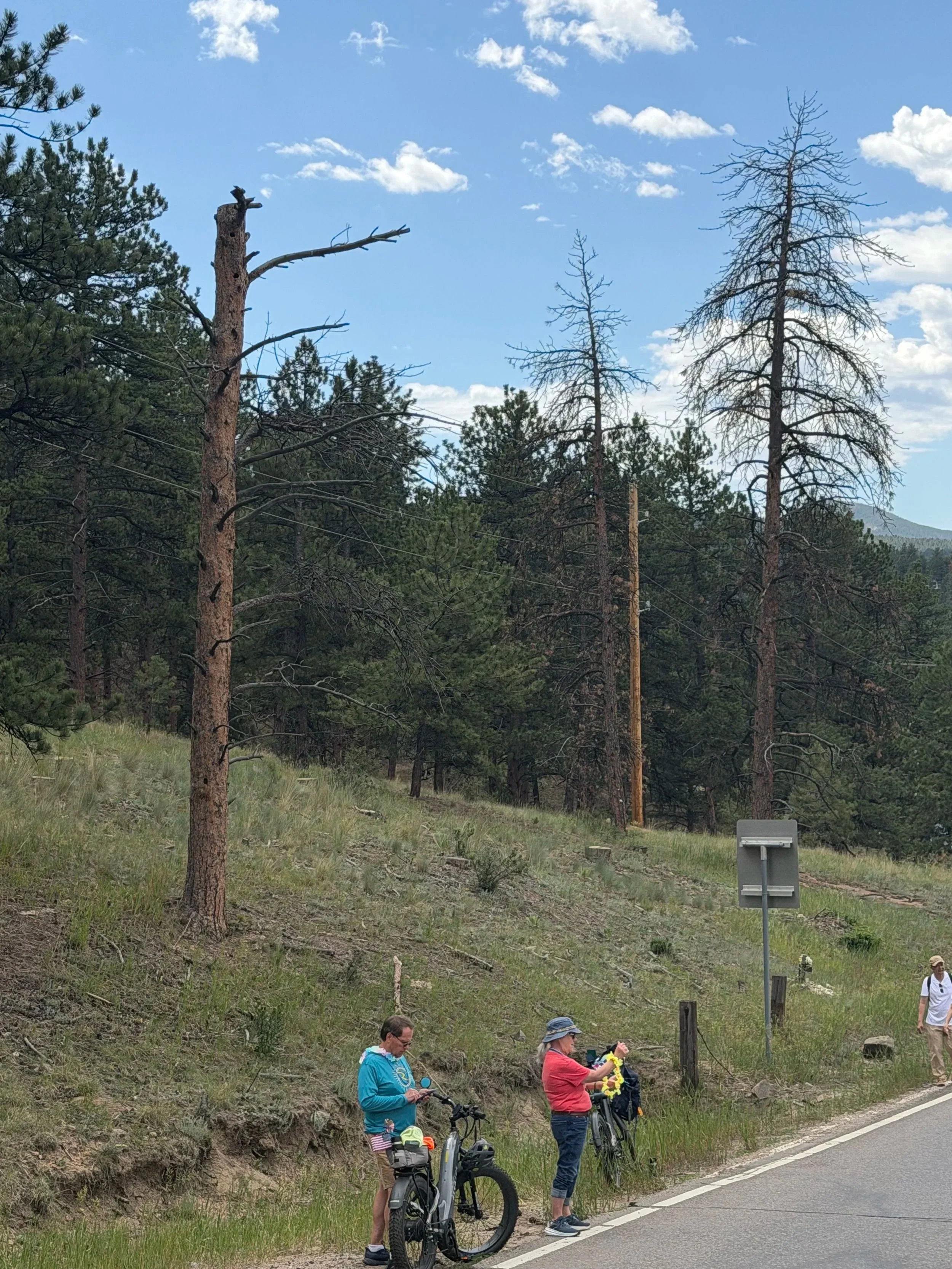
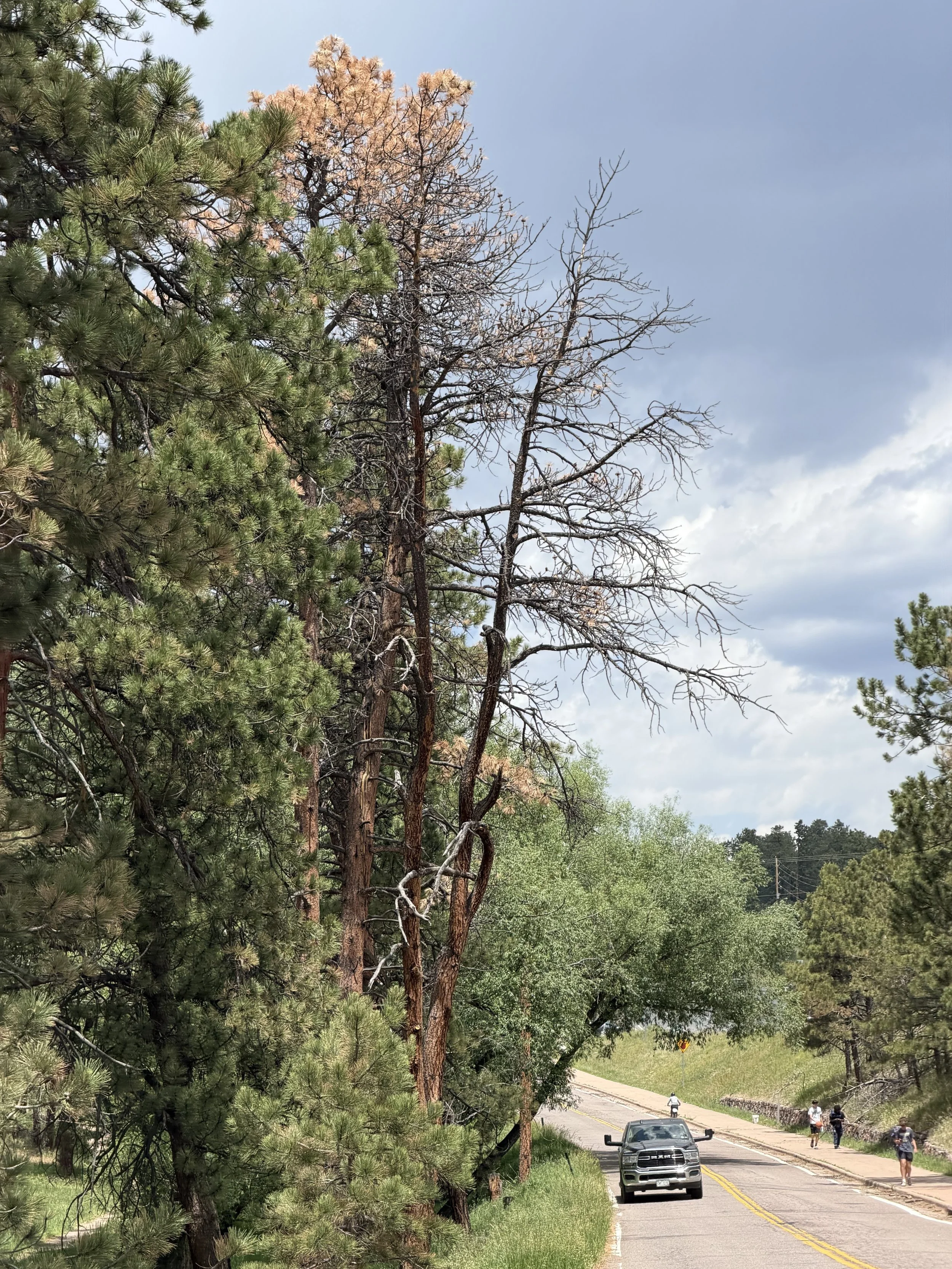
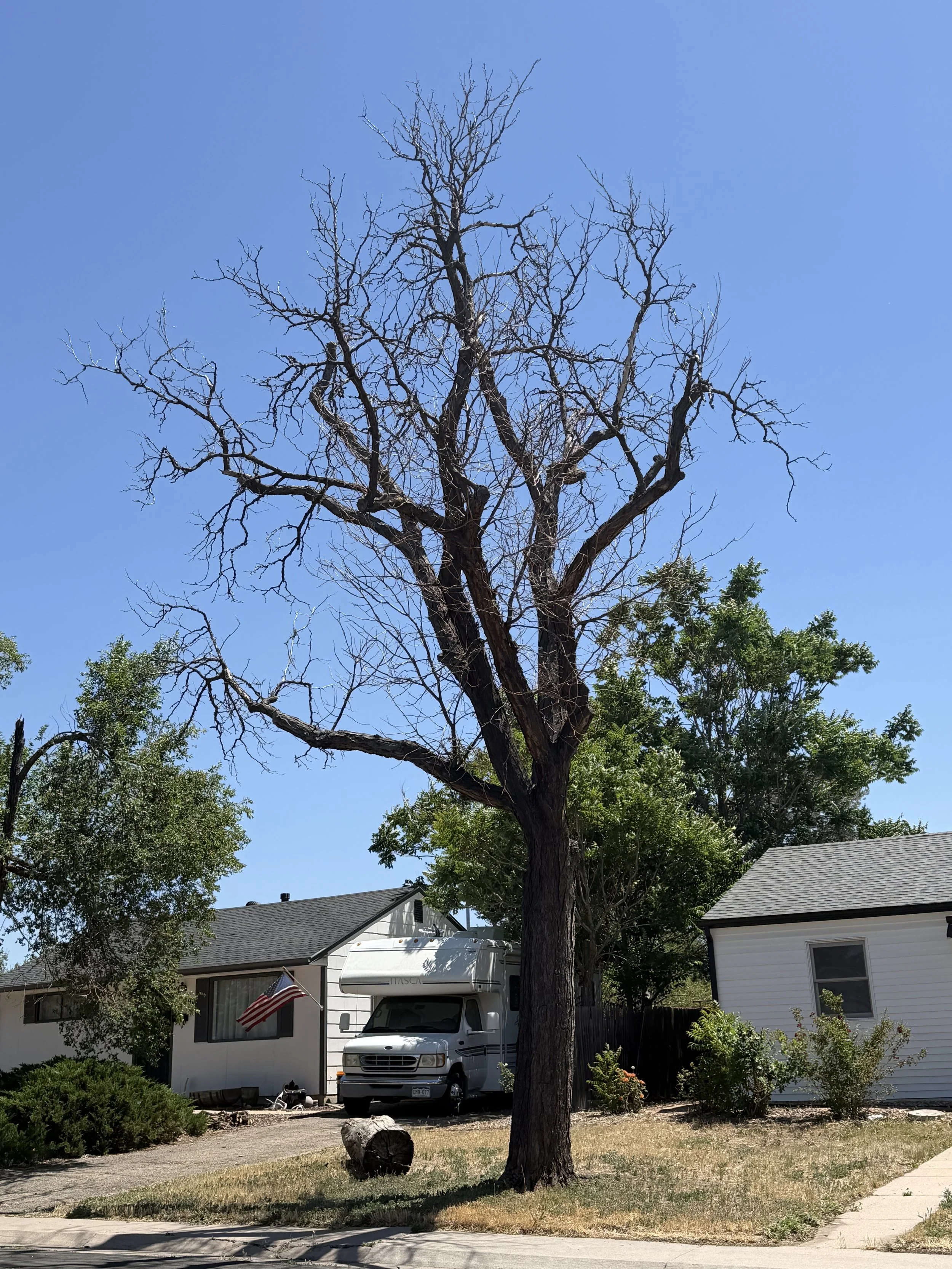
A hazard tree is any tree that presents an unreasonable risk to people, structures, vehicles, utilities, roads, trails, or other property. Trees may become hazardous due to insects, disease, storm damage, root failure, structural defects, wildfire injury, or natural decline.
Not every dead tree requires removal, but trees located near homes, driveways, roads, trails, utility corridors, and frequently occupied areas should be evaluated for potential failure.
Common Hazard Tree Warning Signs
Dead or dying trees
Leaning trees
Cracks or splits in the trunk
Hanging or broken limbs
Root damage or soil movement
Decay, cavities, or hollow sections
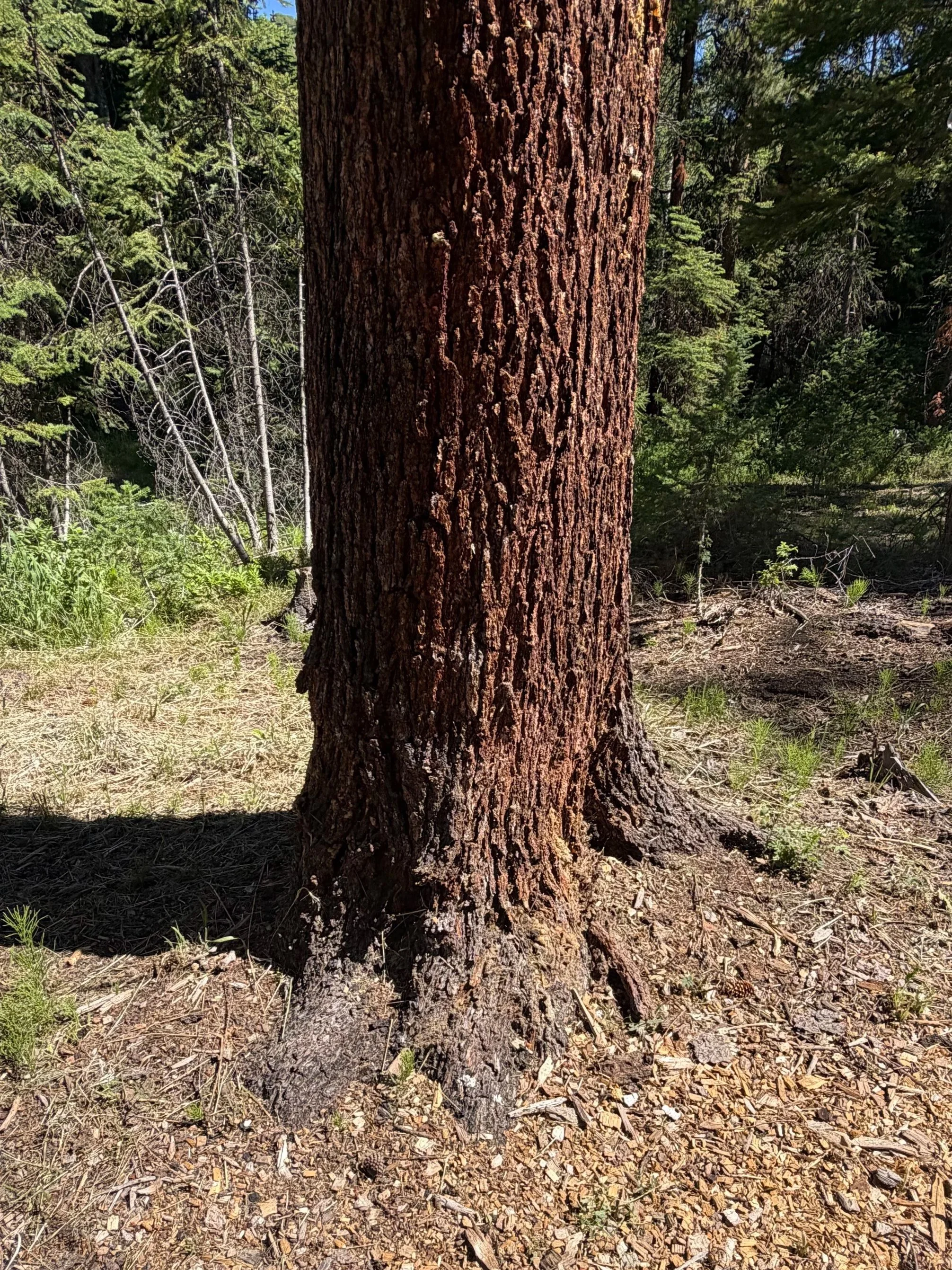
Beetle-killed trees
Trees damaged by wind, snow, or lightning
Trees threatening structures or access roads
Hazard Tree Removal Services
Assessment and removal of dead, dying, and beetle-killed trees common throughout Colorado’s mountain communities.
Improving safety along private roads, driveways, and access/escape routes.
Removal of trees damaged by snow, wind, lightning, or other severe weather events.
Removal of hazardous trees near homes, garages, driveways, and other improvements.
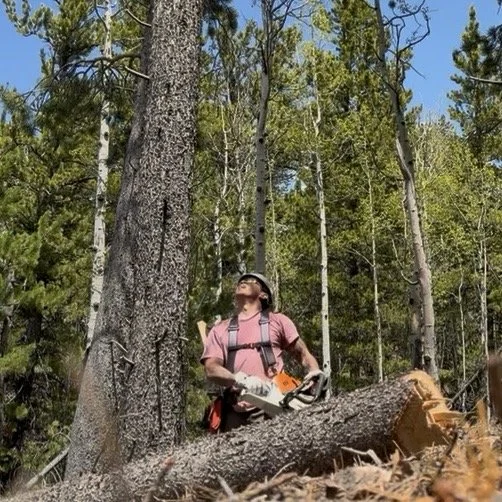
Safe removal of trees located on steep slopes, rocky terrain, wooded lots, and limited-access sites.