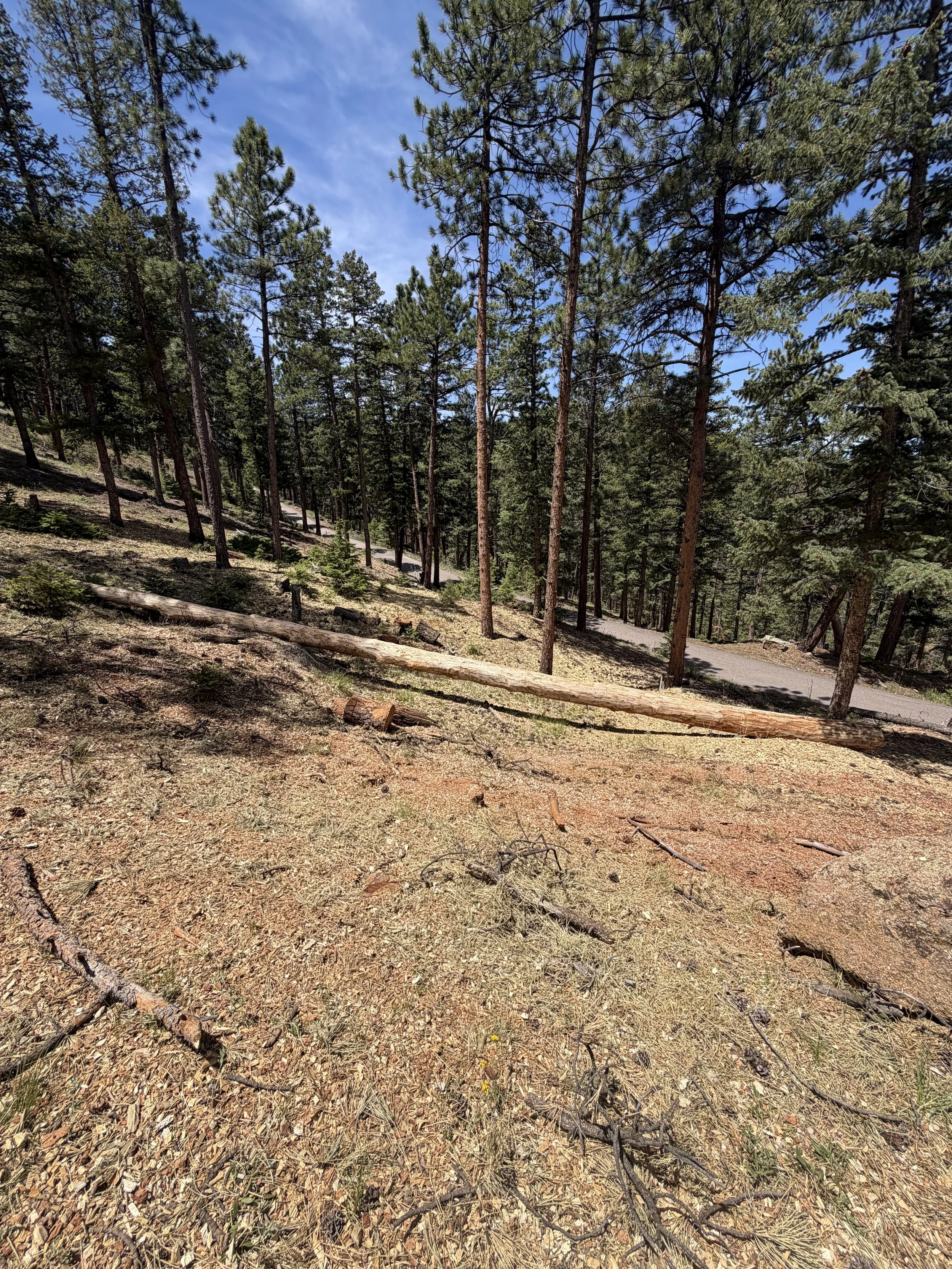
Beetle Kill Tree Removal & Utilization
Helping Colorado landowners turn hazardous beetle-killed trees into safer, healthier, and more productive forests.
Beetle Kill Tree Removal Services: Info
Signs of Beetle-Killed Trees
Landowners should watch for:
* Fading green needles turning yellow, orange, or red
* Needles dropping prematurely
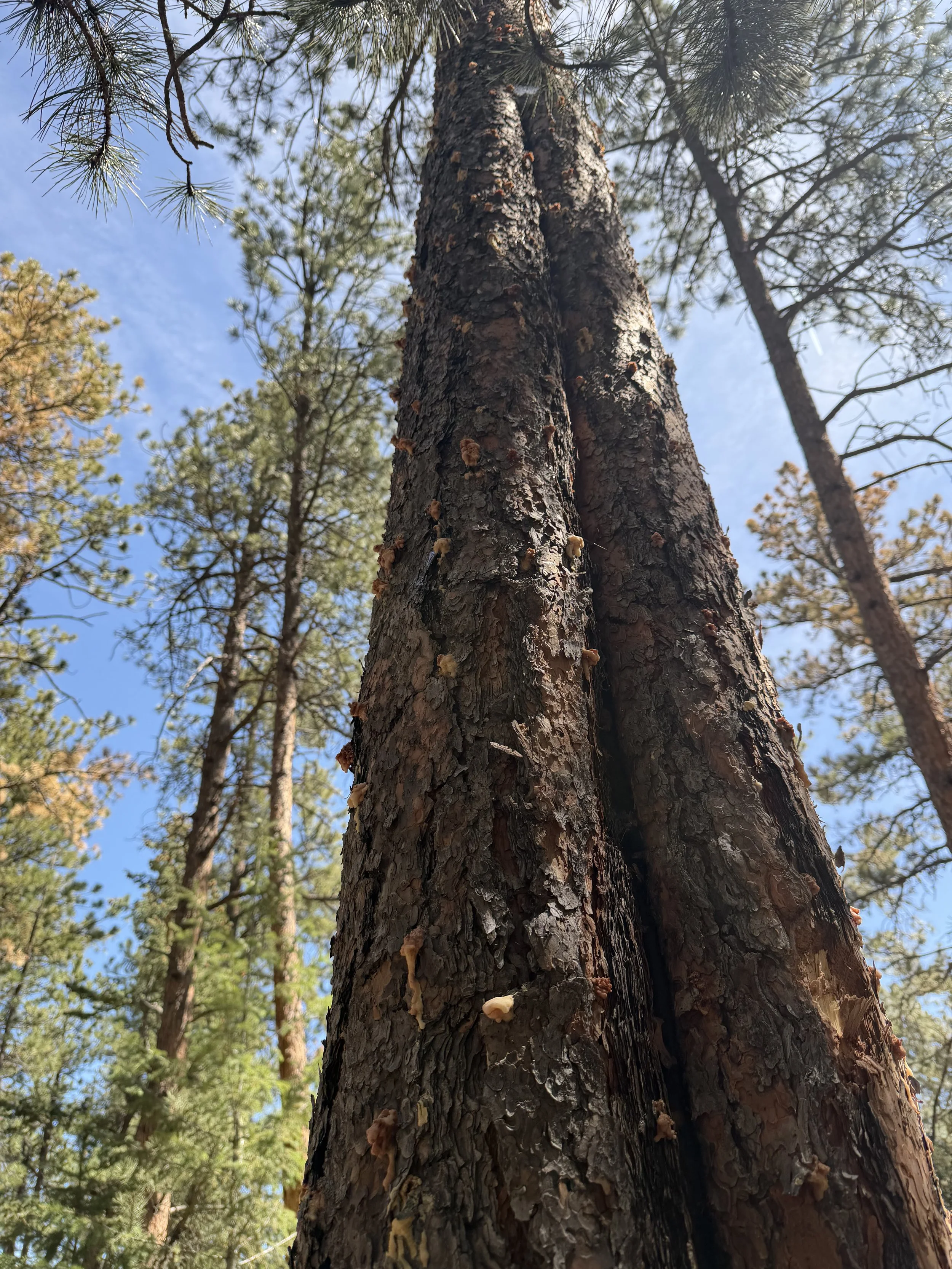
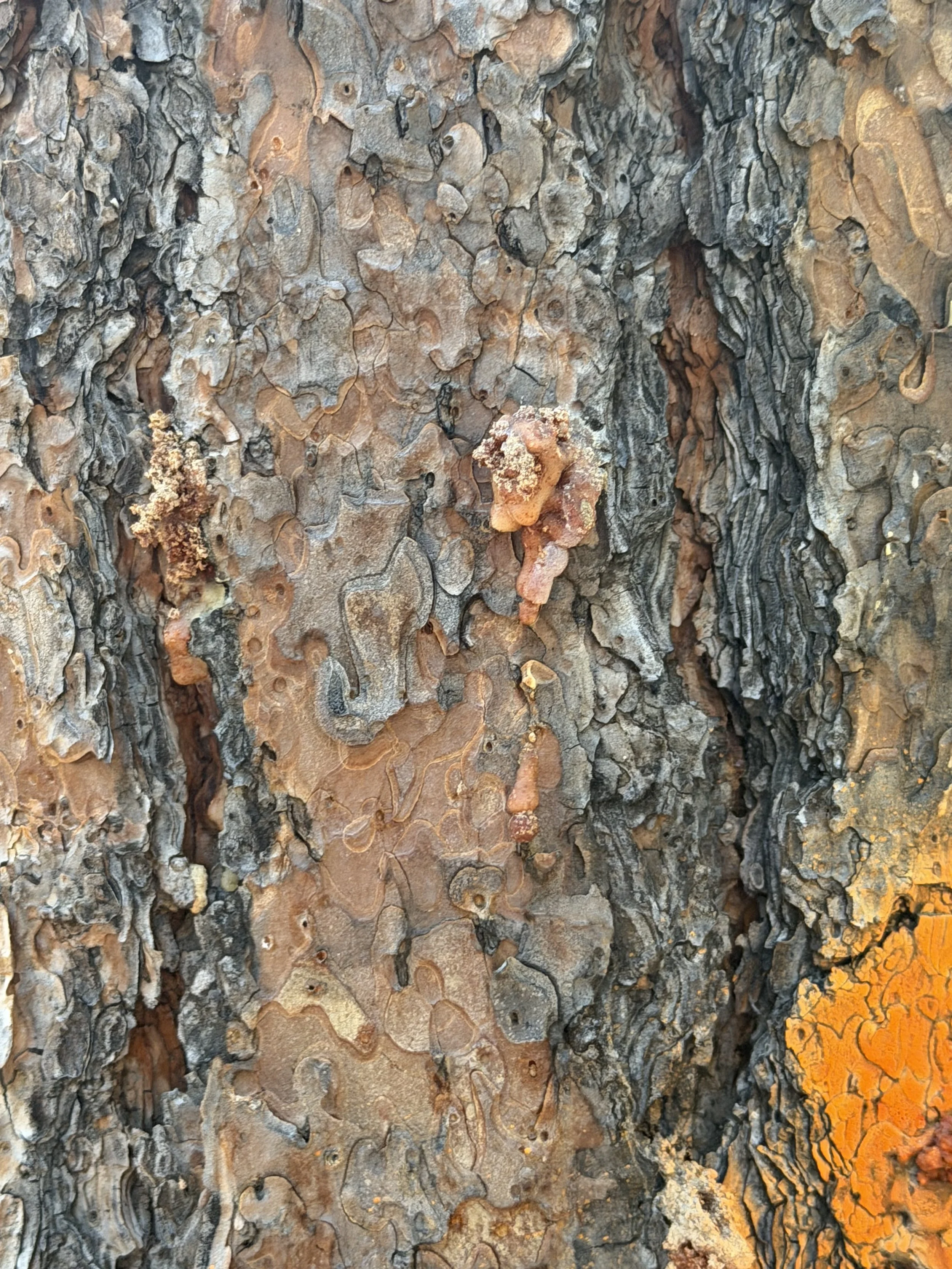
* Pitch tubes (small masses of resin) on the trunk
* Fine boring dust around the base of the tree
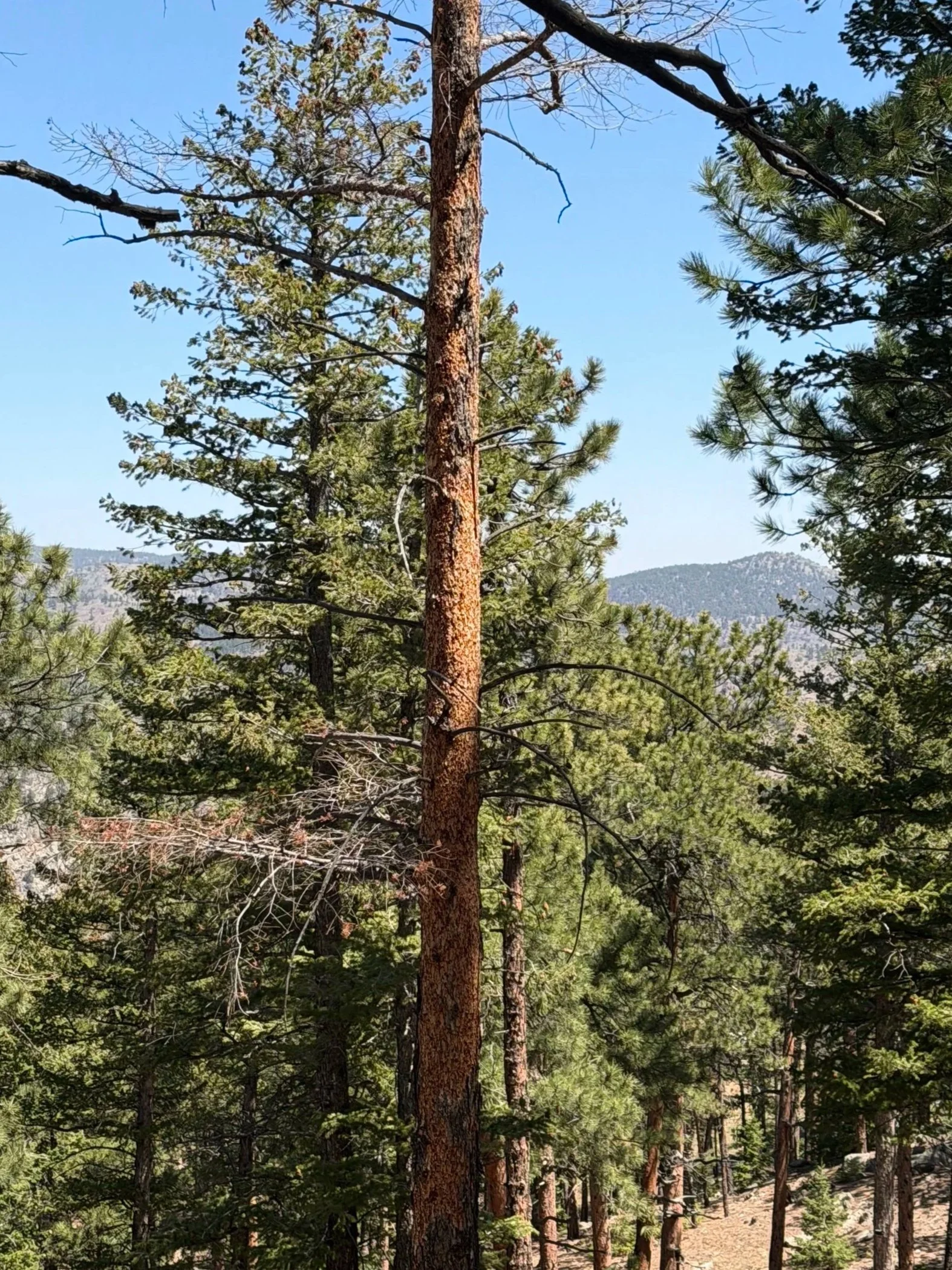
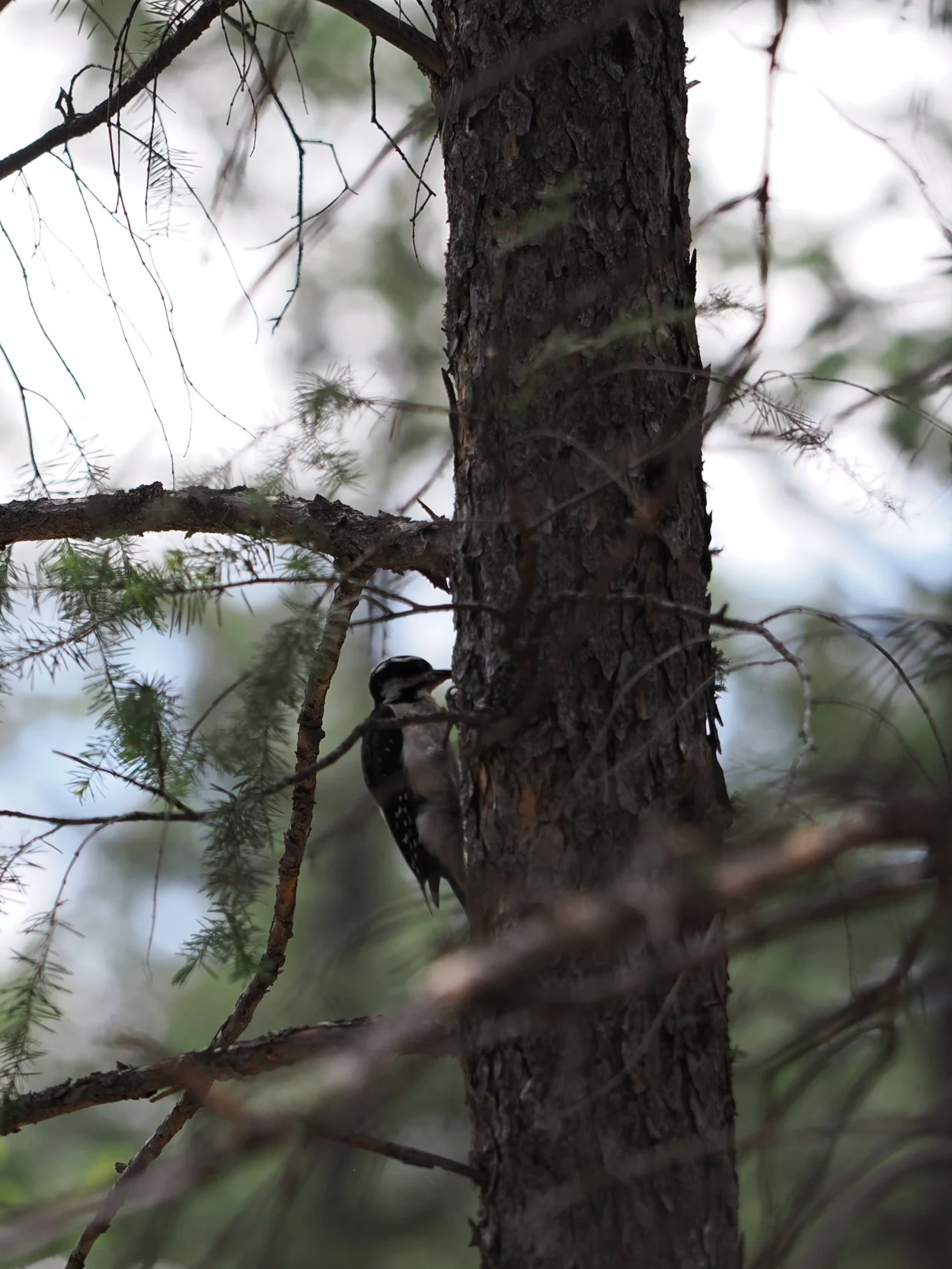
* Woodpecker activity concentrated on a tree
* Loose or falling bark
* Dead tops or declining crowns
* Standing dead trees with gray, barkless trunks
Why Remove Beetle-Killed Trees?
Improve Safety
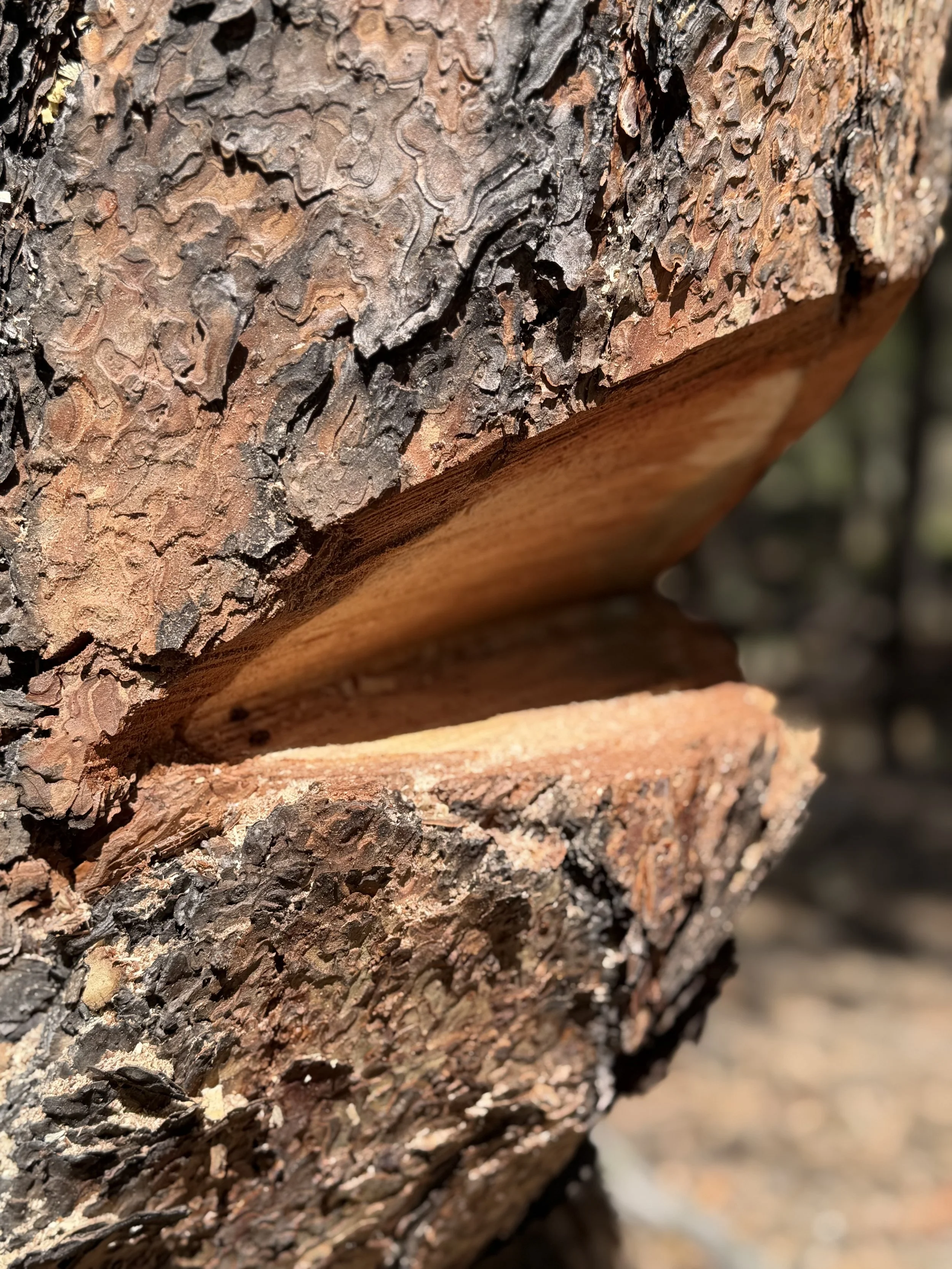
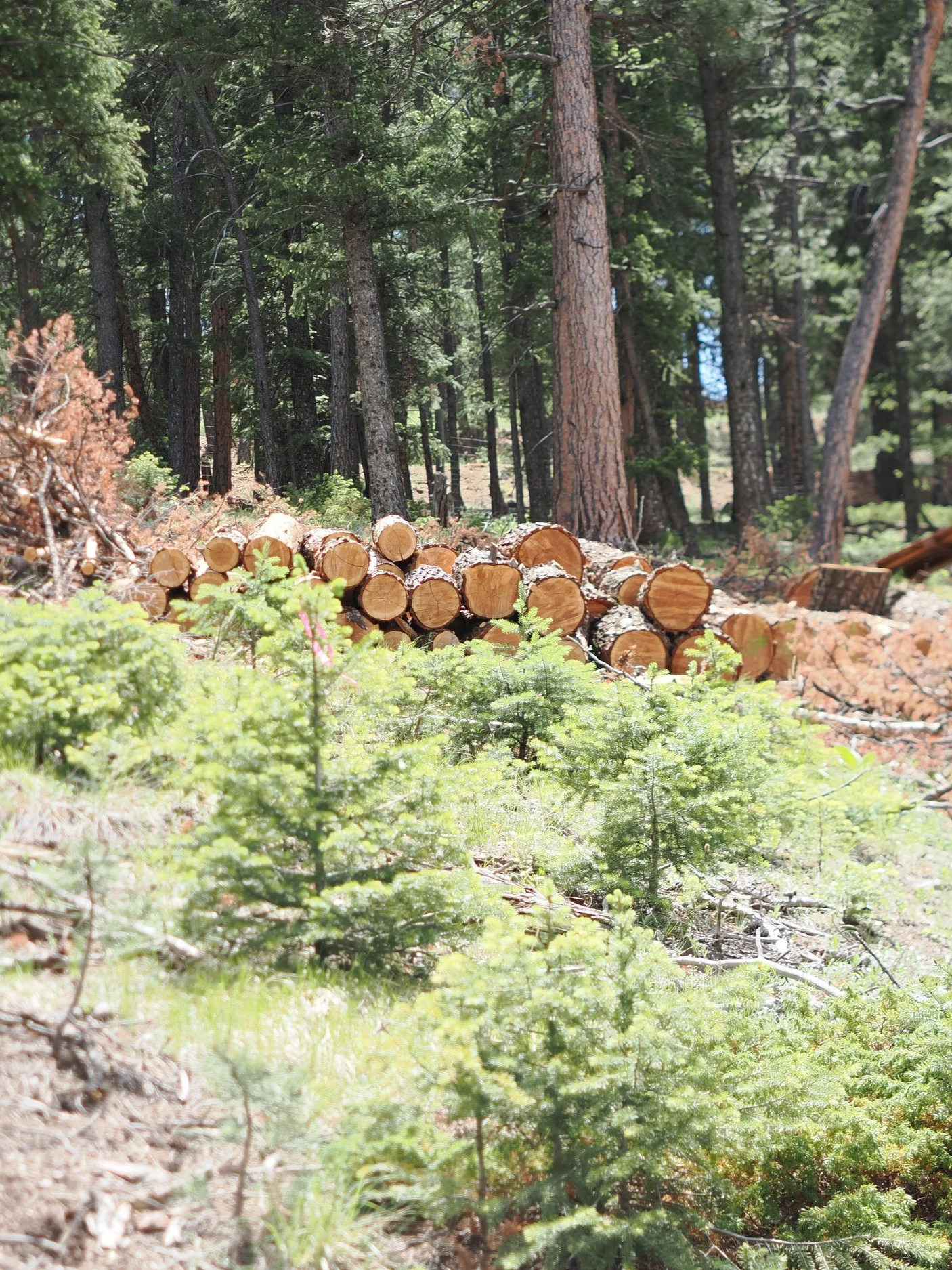
As beetle-killed trees deteriorate, they become increasingly unpredictable and hazardous. Dead trees may fail without warning, especially during wind, snow, or heavy weather events. Hazard tree removal is often recommended near:
* Homes and cabins
* Roads and driveways
* Trails
* Campsites
* Utility lines
* Outbuildings
* Recreation areas
Reduce Wildfire Risk
Dead trees contribute to heavy fuel loading and create long-term management challenges. While beetle-killed forests do not automatically create extreme wildfire behavior, removing hazardous concentrations of dead material can help improve defensible space and support broader fuels reduction goals.
Improve Forest Health
Removing dead, dying, and declining trees can:
* Reduce competition for water and nutrients
* Promote growth of healthy residual trees
* Improve stand structure
* Increase forest resilience
* Support future regeneration
Removal, Debarking & Wood Utilization Services
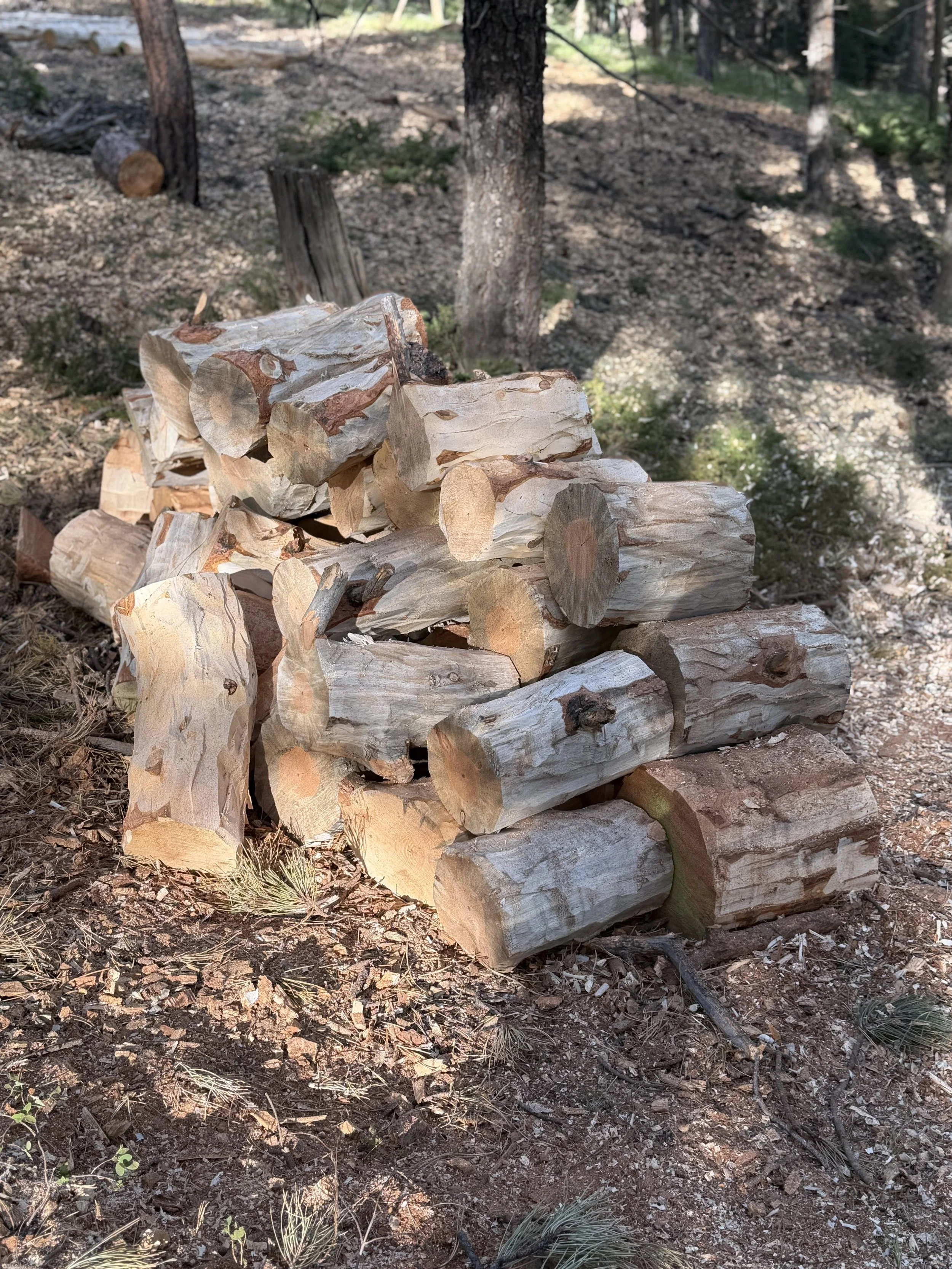
Many beetle-killed trees still have practical value after removal. Rather than leaving material on the ground or hauling it away, White Elk Forestry can help landowners utilize suitable logs and wood products generated during treatment operations. Services may include: * Debarking beetle-killed logs * Firewood processing and stacking * Log preparation for milling * Posts, poles, and rustic landscape materials * On-site wood utilization when appropriate Debarking can help improve drying, reduce insect habitat, prepare logs for milling, and extend the useful life of wood intended for future use. Depending on the condition of the tree and the landowner’s goals, removed timber may be converted into firewood, construction materials, fencing components, landscape features, or other usable products. Our goal is to help landowners get the most value possible from trees that must be removed while improving the health, safety, and resilience of the forest.